Palliative Care vs. Hospice vs. Home Health: What Is the Difference?
Many families confuse home health, palliative care, and hospice. Here is a clear, compassionate guide to understanding which level of care fits your family's current medical reality.
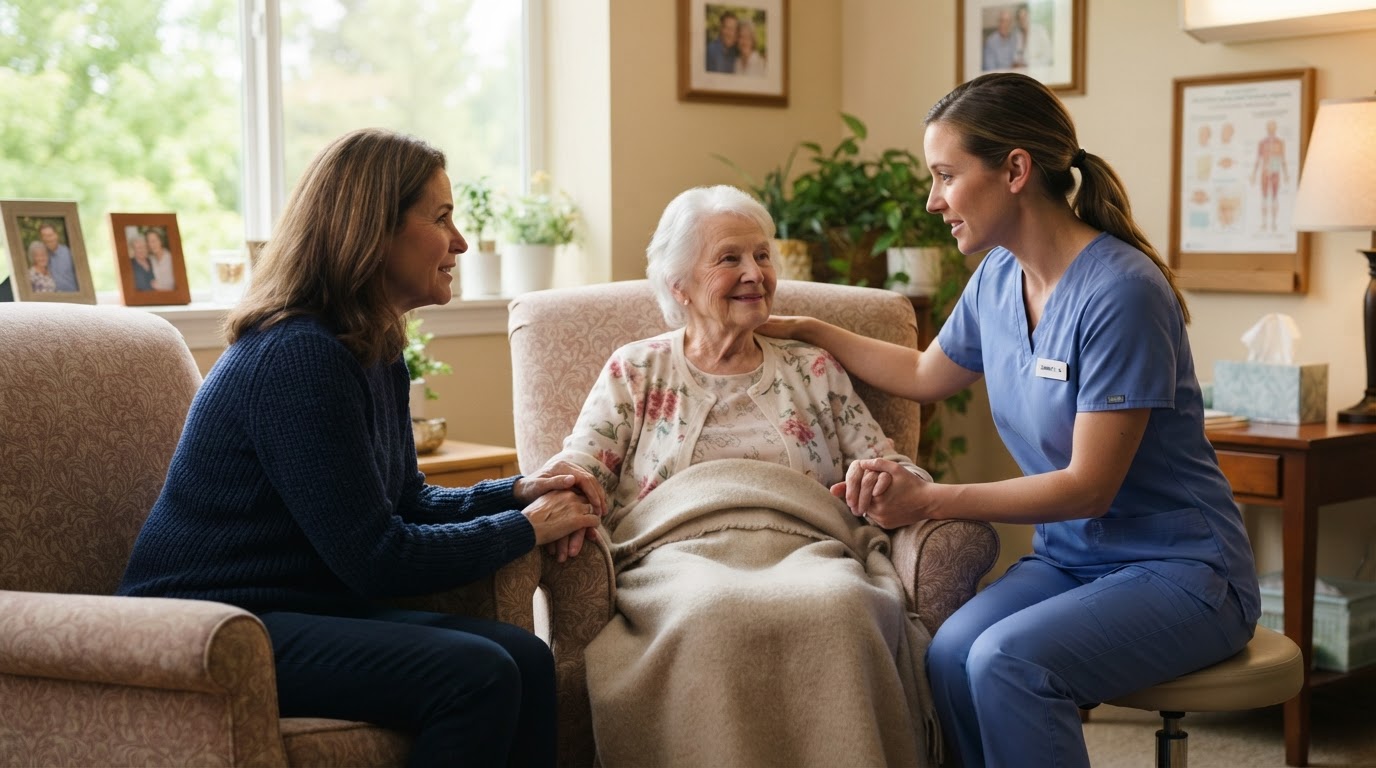
When serious illness strikes, navigating healthcare terminology can be bewildering. Doctors often mention terms like 'home health', 'palliative care', and 'hospice' in the same conversation. While all three bring compassionate medical support outside of institutional hospital walls, they serve distinctly different clinical goals, patient stages, and insurance reimbursement frameworks.
Home Health: Curative, rehabilitative, and restorative
Home health is clinical medical care ordered by a doctor to help a patient recover, regain strength, or manage a chronic illness in their home. The goal is improvement or stabilization. Patients receiving home health continue active, curative medical treatments, surgeries, and therapies.
- Goal: Recovery, rehabilitation, wound healing, functional independence, and chronic disease stability.
- Treatment: Curative therapies, aggressive medical interventions, and doctor-prescribed physical/occupational rehab.
- Eligibility: Certified homebound with skilled clinical need (nursing or physical therapy).
- Coverage: 100% covered by Medicare Part A and most private insurances when criteria are met.
Palliative Care: Specialized symptom and pain management at any stage
Palliative care focuses on relieving the symptoms, pain, and stress of a serious illness (such as cancer, advanced heart disease, or Parkinson's). Unlike hospice, palliative care can begin at any stage of an illness, even immediately upon diagnosis. Most importantly, patients can receive palliative care while simultaneously pursuing curative, life-prolonging medical treatments.
- Goal: Maximum comfort, pain relief, and enhanced quality of life alongside curative treatments.
- Timing: At any point during a serious, complex, or chronic illness.
- Coordination: Works alongside existing oncologists, cardiologists, and primary physicians.
Hospice Care: Comfort and dignity for the final months of life
Hospice is specialized care reserved for individuals with a terminal prognosis of six months or less, should the illness run its natural course. In hospice care, curative treatments (like chemotherapy or aggressive surgeries) are paused in favor of total comfort, pain relief, and emotional and spiritual support for both patient and family.
Home health and palliative care do NOT mean giving up curative treatment. If your loved one is working toward recovery or maintaining dignity while managing chronic symptoms, licensed home health is the right entry point.
How Blooming Beacon supports your family
Blooming Beacon provides comprehensive in-home skilled nursing and personal care services designed to keep individuals thriving in their homes. If your loved one needs clinical wound care, medication injections, or physical rehab after a hospital stay, our licensed RNs are available to guide you.
Medically reviewed by a Blooming Beacon Registered Nurse (RN)
Last reviewed September 25, 2026. This article is for general education and is not a substitute for medical advice. For care specific to your loved one, call (253) 348-6004.
Blooming Beacon Care Team
The Blooming Beacon Care Team includes registered nurses, licensed practical nurses, and certified caregivers dedicated to helping families navigate home health care with confidence and compassion. Every article is written to be practical, honest, and grounded in the real needs of families across Pierce and South King County.