
Recovering Safely After Surgery: A Home Recovery Checklist
The first weeks home after surgery are critical. Use this checklist to prepare your home, manage medications, and support a smooth recovery.
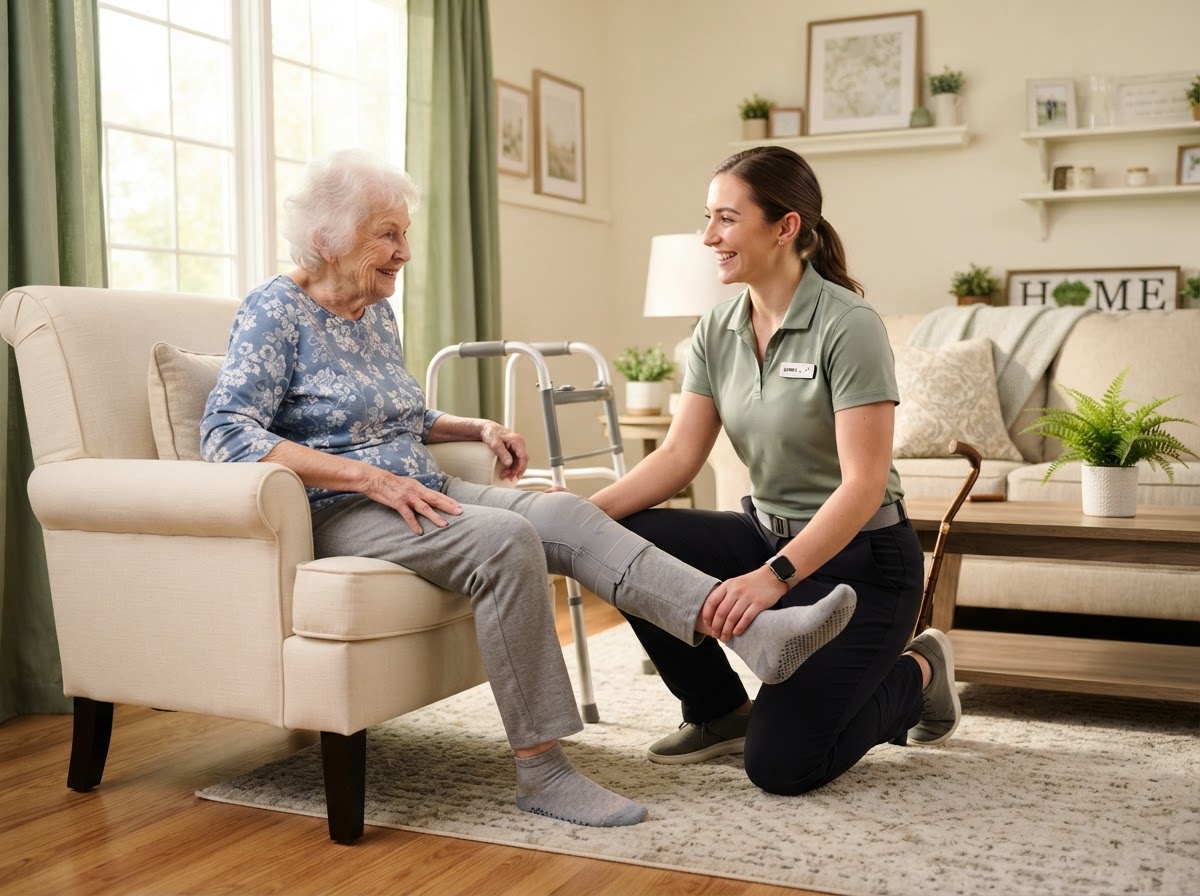
Coming home after surgery can feel like a relief, but it is also when the real work of recovery begins. The first few weeks at home set the trajectory for healing. With the right preparation and support, you can reduce pain, prevent complications, and lower the risk of a readmission to the hospital.
Before you come home
A little preparation before discharge makes the first days far less stressful. Arrange the home so that everything your loved one needs is within easy reach and on one level if possible.
- Set up a recovery space on the ground floor with a bed or comfortable chair nearby
- Place frequently used items at waist height to avoid bending and reaching
- Stock easy-to-prepare meals and hydrating drinks
- Install grab bars and a shower chair in the bathroom
- Clear walkways of rugs, cords, and clutter to prevent falls
Manage medications carefully
After surgery, medication schedules can be complex, combining pain management, antibiotics, blood thinners, and existing prescriptions. Missed or doubled doses are a leading cause of complications. A clear schedule, pill organizer, or skilled nursing support can keep recovery on track.
If your loved one is on multiple medications or blood thinners after surgery, a licensed nurse can manage administration and monitor for interactions, reducing risk during the most vulnerable first weeks.
Watch the wound
Surgical incisions need careful attention. Follow your surgeon's instructions for dressing changes, keep the area clean and dry, and know the signs of infection so you can act quickly.
- Increased redness, swelling, or warmth around the incision
- Foul-smelling or discolored drainage
- A fever of 101°F or higher
- Opening of the incision or new bleeding
- Increasing pain that does not respond to medication
Keep moving, safely
Movement is medicine after surgery, but it must be the right kind. In-home physical and occupational therapy can rebuild strength, teach safe ways to get in and out of bed, and restore the ability to dress, bathe, and move around the home independently.
For many patients who are medically stable and homebound, in-home rehab is an effective alternative to a skilled nursing facility. Coordinated with your surgeon, it brings therapy, wound care, and nursing oversight together in the place where recovery is most comfortable: home.
Medically reviewed by a Blooming Beacon Registered Nurse (RN)
Last reviewed September 18, 2026. This article is for general education and is not a substitute for medical advice. For care specific to your loved one, call (253) 348-6004.
Blooming Beacon Care Team
The Blooming Beacon Care Team includes registered nurses, licensed practical nurses, and certified caregivers dedicated to helping families navigate home health care with confidence and compassion. Every article is written to be practical, honest, and grounded in the real needs of families across Pierce and South King County.