
Home Health Care for Heart Failure and COPD: What Families Should Know
Heart failure and COPD are manageable at home with the right monitoring, medication routine, and education. Here is how skilled home health keeps patients stable and out of the hospital.
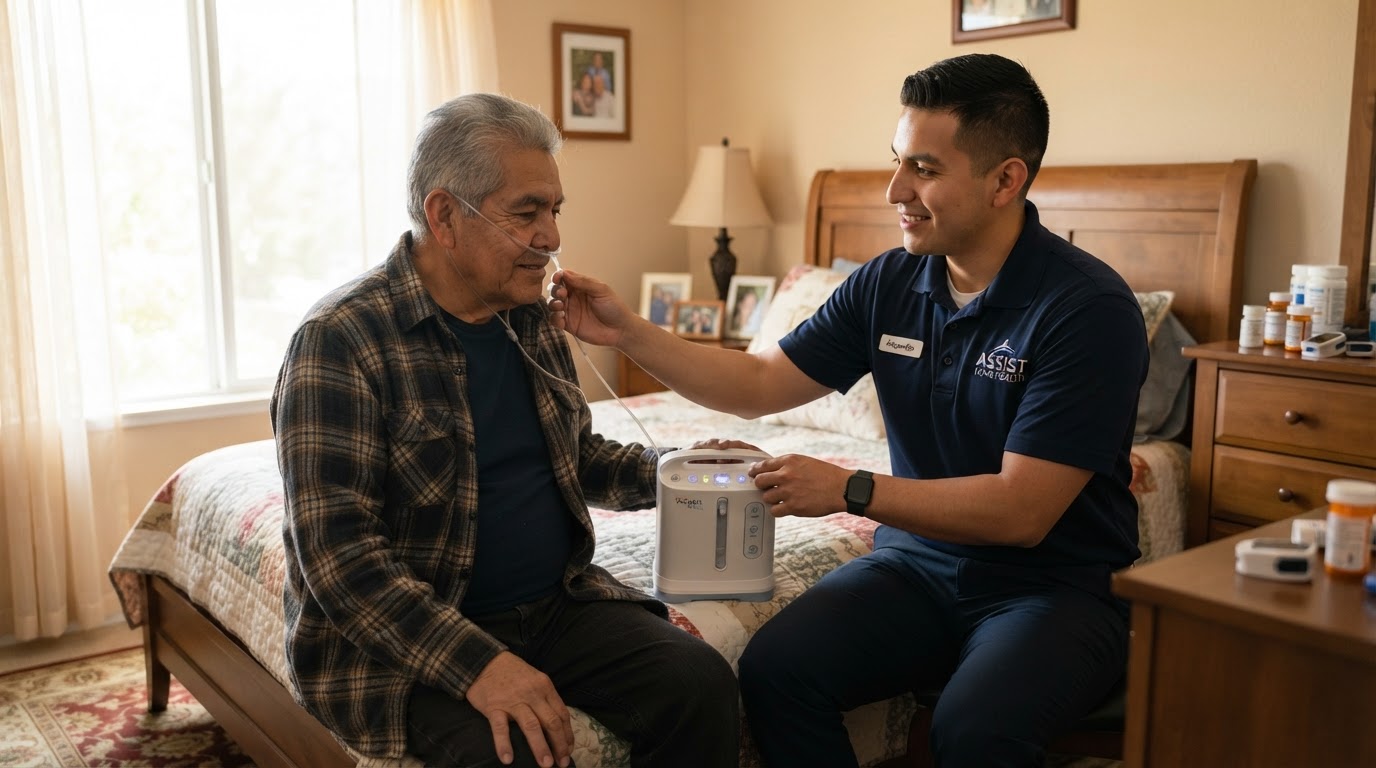
Heart failure and chronic obstructive pulmonary disease (COPD) are two of the most common reasons older adults are admitted to the hospital, and readmitted again soon after discharge. The good news is that much of what keeps these patients stable can be done at home, with the right monitoring, education, and support. Understanding how home health fits into chronic disease management helps families prevent the cycles of hospitalization that define these conditions.
Why home health matters for chronic conditions
After a hospital stay for heart failure or a COPD exacerbation, patients are sent home with new medications, diet changes, and a long list of warning signs to watch for. That transition is fragile. A single missed diuretic dose, a salty meal, or an unrecognized weight gain can lead right back to the emergency room. Home health bridges that gap by bringing clinical eyes into the home during the most vulnerable weeks.
- Skilled nursing visits to monitor symptoms and teach self-management.
- Medication reconciliation to catch interactions and missed doses.
- Education on diet, fluid limits, and symptom tracking.
- Coordination with the cardiologist or pulmonologist to adjust the plan early.
Heart failure: watching for fluid
In heart failure, the heart cannot pump effectively, and fluid builds up in the lungs, legs, and abdomen. The earliest warning sign is usually weight gain from fluid retention, which can happen days before breathlessness appears. A simple daily weigh-in is one of the most powerful tools a family has.
- Weigh every morning, same time, same clothing, after using the bathroom.
- Call the doctor for a gain of two to three pounds in a day or five pounds in a week.
- Watch for new shortness of breath, swelling in the legs, needing extra pillows to sleep, or a persistent dry cough.
- Follow the sodium and fluid limits the doctor recommends.
Daily weights and symptom checks are exactly the kind of monitoring a skilled nurse sets up during a home health episode. Catching fluid buildup early often means a simple medication adjustment at home instead of a hospital admission.
COPD: protecting breathing and energy
COPD makes every breath harder, and exacerbations, sudden flare-ups of breathing difficulty, are often triggered by infections, missed inhaler routines, or airway irritation. The goal at home is to prevent flare-ups and conserve energy for the activities that matter most.
- Use inhalers and nebulizer treatments on the prescribed schedule, with correct technique.
- Track oxygen levels and use supplemental oxygen exactly as prescribed, never adjusting it without the doctor.
- Watch for warning signs: increased shortness of breath, thicker or discolored mucus, fever, or lips or fingertips turning blue.
- Conserve energy: sit for showers and grooming, pace activities, and keep essentials within reach.
Avoiding the readmission cycle
Many readmissions are preventable. They happen when a small change goes unnoticed, a medication is missed, or a family is unsure what to do. A structured home health episode creates a safety net: regular visits, a clear action plan for warning signs, and a direct line to a nurse who can adjust care before a crisis. When the episode ends, families are left with the education and confidence to continue managing at home.
If your loved one has heart failure, COPD, or another complex chronic condition, a free consultation can help you understand whether home health is appropriate now, what insurance may cover, and how to put monitoring and support in place before the next hospitalization.
Medically reviewed by a Blooming Beacon Registered Nurse (RN)
Last reviewed September 24, 2026. This article is for general education and is not a substitute for medical advice. For care specific to your loved one, call (253) 348-6004.
Blooming Beacon Care Team
The Blooming Beacon Care Team includes registered nurses, licensed practical nurses, and certified caregivers dedicated to helping families navigate home health care with confidence and compassion. Every article is written to be practical, honest, and grounded in the real needs of families across Pierce and South King County.