
Caring for a Loved One with Dementia: A Family Guide
Dementia changes how you communicate, plan, and cope. This guide offers practical strategies for families navigating memory care at home.
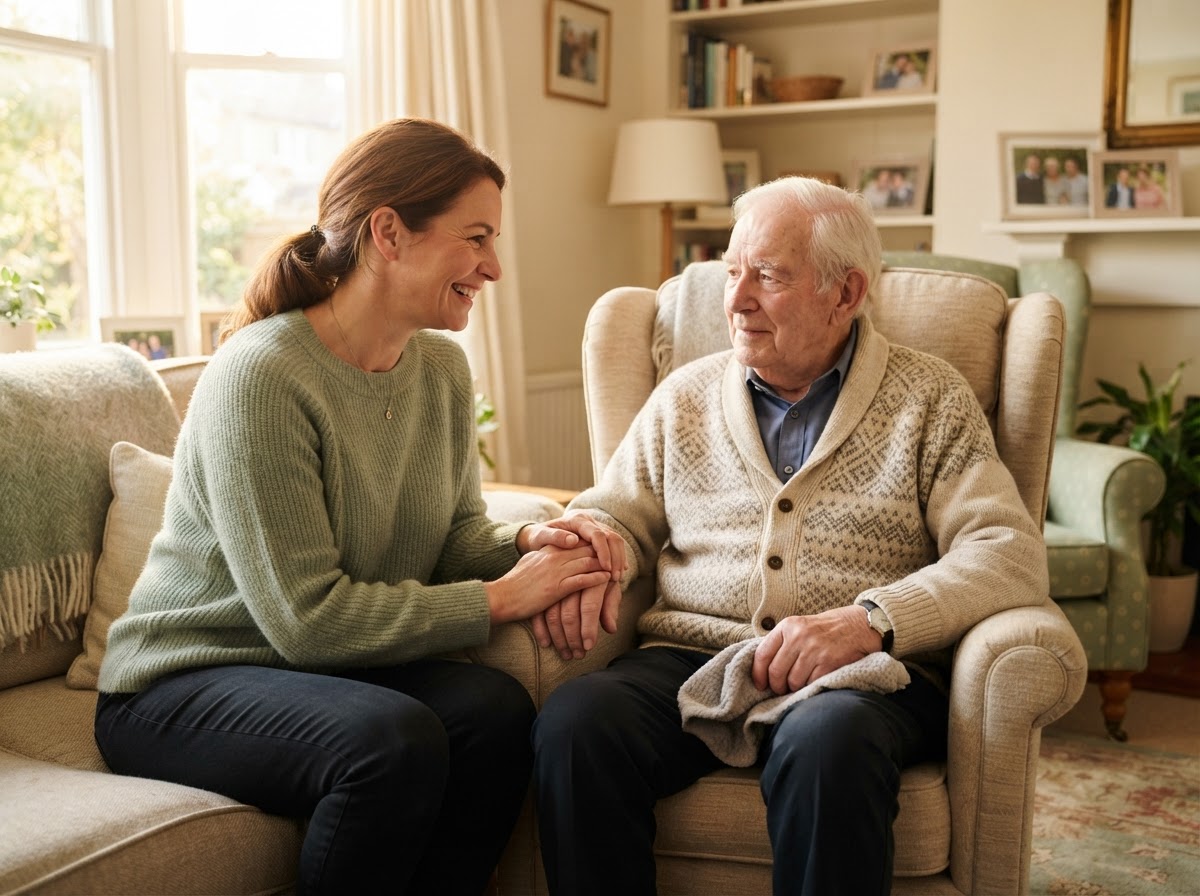
Dementia is not a single disease but a collection of symptoms that affect memory, thinking, and behavior. Alzheimer's disease is the most common cause. Whatever the diagnosis, dementia gradually changes how your loved one experiences the world, and it changes what you, as a family caregiver, are asked to do.
Communication changes everything
As dementia progresses, the way you communicate matters more than the words you use. Short sentences, a calm tone, and patience go further than correction or logic. When your loved one is confused about facts, joining their reality is often kinder than insisting on yours.
- Speak slowly and use simple, concrete language
- Ask one question at a time and wait for a response
- Avoid arguing or correcting factual errors that cause distress
- Use visual cues and gestures to support spoken words
- Reduce background noise and distractions during conversations
Build a predictable routine
Predictability reduces anxiety. A consistent daily rhythm for waking, meals, activities, and rest helps your loved one feel safe and oriented. Routines also make it easier to spot changes in behavior or function that may signal a medical issue.
Familiar faces matter. People living with dementia often respond best to caregivers they recognize. That is why continuity of caregiver is a cornerstone of quality memory care.
Make the home safe
Wandering and falls are among the most serious risks of dementia at home. A few practical modifications can dramatically reduce danger while preserving dignity and independence.
- Remove tripping hazards like loose rugs and cluttered walkways
- Install grab bars in bathrooms and secure lighting in hallways
- Use locks or alarms on exterior doors if wandering is a concern
- Store medications, cleaning supplies, and sharp objects securely
- Label rooms and drawers to aid orientation
Care for the caregiver
Dementia caregiving is a marathon, not a sprint. Burnout is common and real, and it can affect your own health and the quality of care you provide. Respite care, whether a few hours a week or a regular schedule, gives you permission to rest while knowing your loved one is in trained, compassionate hands.
If caregiving demands have grown beyond what you can safely manage alone, specialized in-home dementia care can bring trained caregivers, RN oversight, and family education together under one plan, so your loved one stays home and you stay supported.
Medically reviewed by a Blooming Beacon Registered Nurse (RN)
Last reviewed September 15, 2026. This article is for general education and is not a substitute for medical advice. For care specific to your loved one, call (253) 348-6004.
Blooming Beacon Care Team
The Blooming Beacon Care Team includes registered nurses, licensed practical nurses, and certified caregivers dedicated to helping families navigate home health care with confidence and compassion. Every article is written to be practical, honest, and grounded in the real needs of families across Pierce and South King County.